
In the realm of algorithm-based games, players’ perceptions of fairness are fundamental to both engagement and satisfaction. Unlike traditional games where outcomes are often tangible and directly observable, algorithm-driven environments operate on invisible rules dictated by code. These algorithms determine probabilities, reward distributions, and progression systems, all of which influence how players experience the game. The abstract nature of these mechanisms means that players must rely on cues, prior knowledge, and interface design to infer fairness, making expectation management a crucial component of game design.
Players naturally bring assumptions from real-world experiences and prior gaming encounters. When they encounter an algorithm-based system, they may anticipate randomness resembling physical phenomena like dice rolls or card shuffles. If outcomes deviate from these expectations, even when statistically valid, it can trigger perceptions of unfairness. For example, a streak of losses in a digital slot game or a string of unsuccessful loot box openings may seem improbable to a player, prompting doubt about the underlying system. This phenomenon highlights the distinction between mathematical fairness and perceived fairness; while algorithms can be perfectly fair in a probabilistic sense, user experience hinges on transparency and the ability to recognize fairness cues.
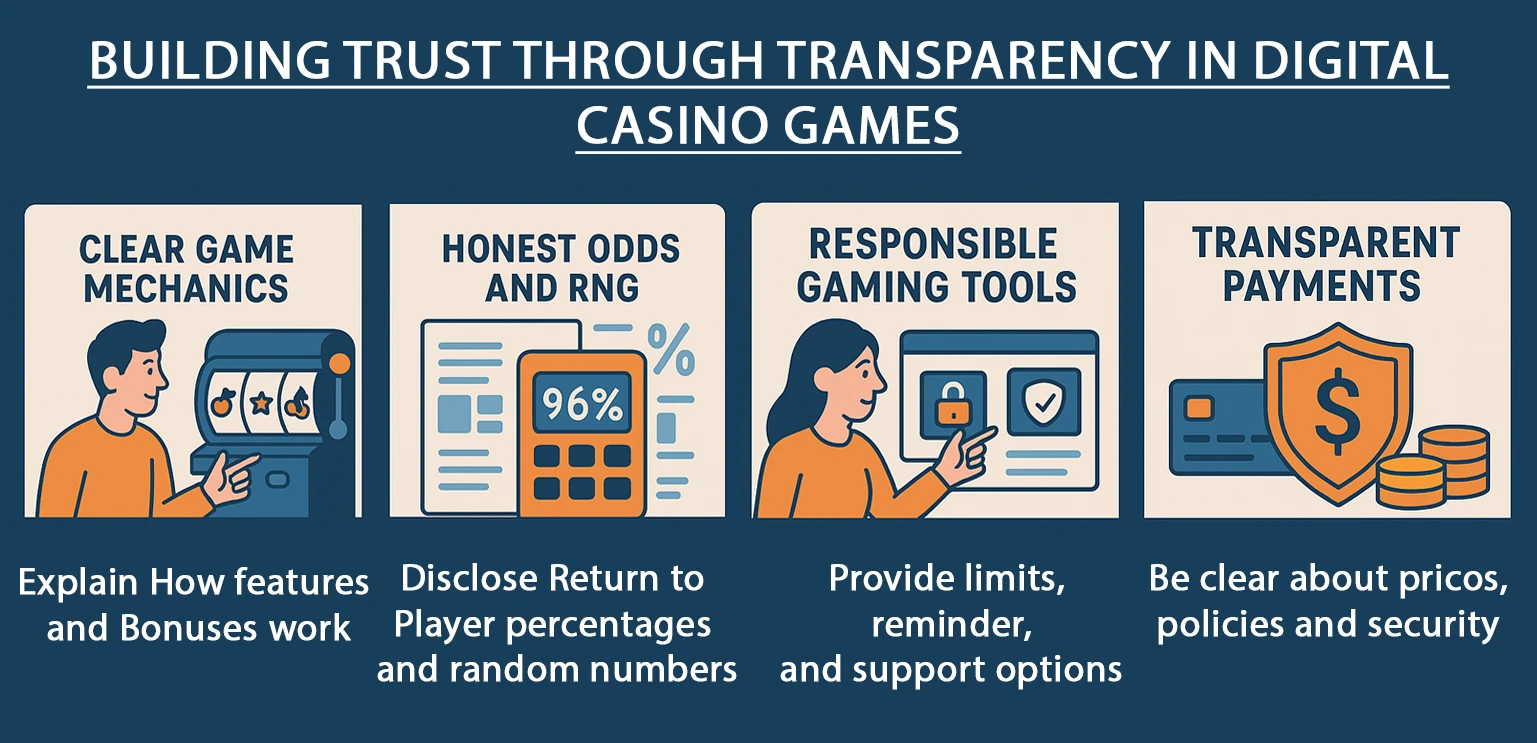
One of the key mechanisms to support fairness expectations is clear communication of odds and probabilities. Games that disclose drop rates, win probabilities, or progression chances allow players to calibrate their expectations accurately. Transparent information reduces reliance on superstition or anecdotal reasoning, which often leads to frustration and mistrust. Even partial disclosures, such as tiered probabilities for different reward classes, can anchor player understanding and mitigate the sense that outcomes are manipulated. Conversely, opaque systems, where players have no insight into underlying mechanics, can foster suspicion, especially when outcomes are emotionally significant, such as high-stakes bets or rare item acquisitions.
Consistency in game behavior also plays a pivotal role. Algorithmic fairness is easier to perceive when similar actions consistently produce similar outcomes. Variability is acceptable, and indeed necessary, in probabilistic systems, but the underlying pattern must align with player expectations. Sudden, unexplained deviations can erode trust. For instance, if a player successfully completes a challenging task multiple times but the reward quality suddenly drops without rationale, they may perceive the system as biased. Designers must balance randomness with predictable structures, ensuring that algorithmic fluctuations feel natural and understandable rather than arbitrary.
The interface and feedback mechanisms further influence fairness perceptions. Visual and auditory cues can signal outcome probability, progression, and reward weighting. Animations, progress bars, and celebratory effects reinforce the idea that the system operates according to consistent rules. When a game visually communicates the likelihood of an event and players see corresponding feedback, they are more likely to interpret outcomes as fair, even if those outcomes are unfavorable. In contrast, poor feedback or delayed responses can obscure the algorithm’s logic, amplifying feelings of randomness and potential manipulation.
Another critical factor is the timing and pacing of rewards. Players interpret fairness not only in terms of what they receive but also when they receive it. Random rewards spaced too infrequently or clustered in a way that seems unnatural can distort perception. Well-designed algorithms often incorporate subtle pacing mechanisms, distributing rewards in a way that feels satisfying without breaching probabilistic fairness. By aligning reward frequency with player expectations, games can maintain engagement while reinforcing the notion of fair treatment, even in inherently random systems.
Social comparison amplifies fairness concerns. In multiplayer environments, seeing others achieve favorable outcomes can lead to perceptions of inequity, regardless of actual probability distributions. Players may assume the system is biased if they repeatedly witness others gaining advantages, creating a feedback loop of dissatisfaction and disengagement. To mitigate this, designers often use mechanisms like matchmaking, randomized displays, or normalization of visible rewards, ensuring that social comparisons do not distort perceived fairness. Providing context for rewards, such as emphasizing skill or effort over chance, can also buffer against negative comparisons.
Trust-building measures, such as third-party audits, certifications, or demonstrable randomness, can further reinforce fairness expectations. Players are more likely to accept algorithmic outcomes if they believe the system has been validated or regulated. Certification marks, transparency reports, and optional visibility into underlying algorithms can provide reassurance that the game is unbiased. While not every player will engage with these measures, their presence signals that the developer prioritizes fairness and integrity.
Psychological factors also influence how fairness is perceived. Loss aversion, recency bias, and expectation framing can make players more sensitive to negative outcomes than positive ones. Designers must account for these cognitive biases by carefully structuring reward feedback and probability disclosures. For instance, presenting small wins frequently while reserving larger rewards for less frequent events can maintain excitement without creating the illusion of systemic unfairness. Similarly, clear framing of potential losses versus gains helps players maintain rational interpretations of algorithmic behavior.
Ultimately, fairness in algorithm-based games exists at the intersection of probabilistic integrity, transparency, and user experience. Developers must design systems that are mathematically fair while also perceptibly fair, considering how players interpret randomness, outcomes, and comparative results. Interfaces, feedback loops, communication strategies, and pacing all contribute to shaping these perceptions. By understanding the psychological and social dimensions of fairness, designers can create engaging, trustworthy experiences that sustain long-term player investment. Players who feel that their effort, skill, and luck are treated equitably are more likely to remain engaged, participate willingly, and develop a positive relationship with the game, highlighting the critical importance of perceived fairness in algorithm-driven environments.
Fairness expectations extend beyond the immediate player experience to influence reputation and community trust. Games that consistently meet or exceed perceived fairness standards cultivate loyalty and word-of-mouth promotion. Conversely, even minor discrepancies between perceived and actual fairness can result in negative sentiment, reduced retention, and public criticism. In essence, fairness in algorithm-based games is both a technical and psychological design challenge, demanding careful consideration of probability management, communication, social dynamics, and player psychology. When these elements are harmonized, games not only function correctly on a technical level but also resonate with players as equitable, engaging, and enjoyable experiences.






Leave a Reply