
In high-throughput systems where transactional processing occurs, the management of transaction queues becomes a critical factor in ensuring overall system stability and performance. When the inflow of transactions exceeds the system’s capacity to process them, a phenomenon known as backpressure emerges. This condition, if left unmanaged, can result in cascading failures, delayed processing, and resource exhaustion, ultimately compromising both reliability and user experience. Understanding backpressure handling in transaction queues requires a deep look at both its causes and the strategies used to mitigate its effects.
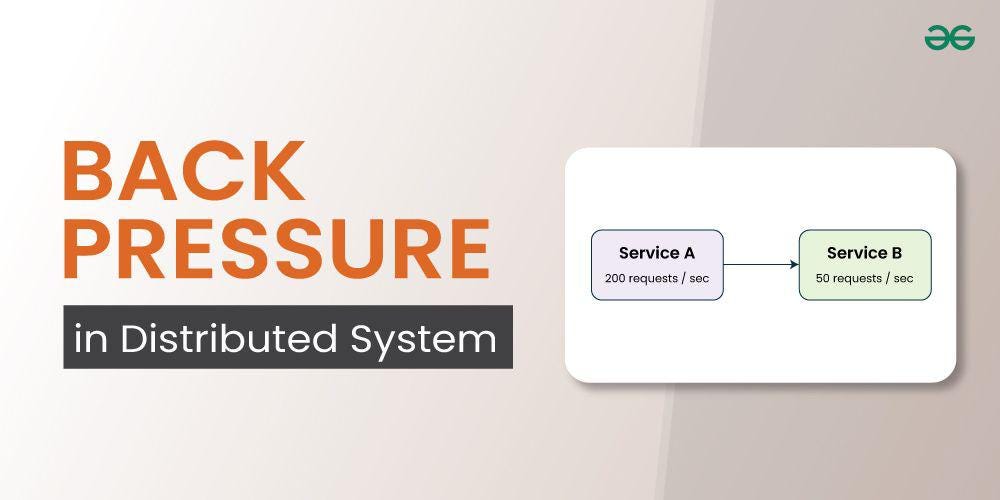
Backpressure occurs when downstream components or processing units become overwhelmed by the volume of incoming transactions. Unlike simple queuing, where transactions merely wait their turn, backpressure actively signals upstream components to slow down or adjust their rate of submission. The primary objective of such mechanisms is to maintain equilibrium between transaction arrival rates and processing capabilities. Without backpressure management, queues can grow unbounded, leading to excessive memory consumption and potential system crashes. In distributed systems, this challenge becomes more pronounced, as varying processing speeds across nodes can exacerbate imbalances in queue depth.
Effective backpressure handling starts with proper monitoring and detection mechanisms. Metrics such as queue length, processing latency, and resource utilization provide insight into the system’s current state. When thresholds are exceeded, backpressure protocols trigger interventions. These interventions may be explicit, where the queue or processing component communicates directly with upstream sources to throttle the inflow of transactions, or implicit, relying on built-in control mechanisms such as flow control or rate limiting. In both cases, timely detection is critical, as delayed response can cause transient overloads to cascade into persistent bottlenecks.
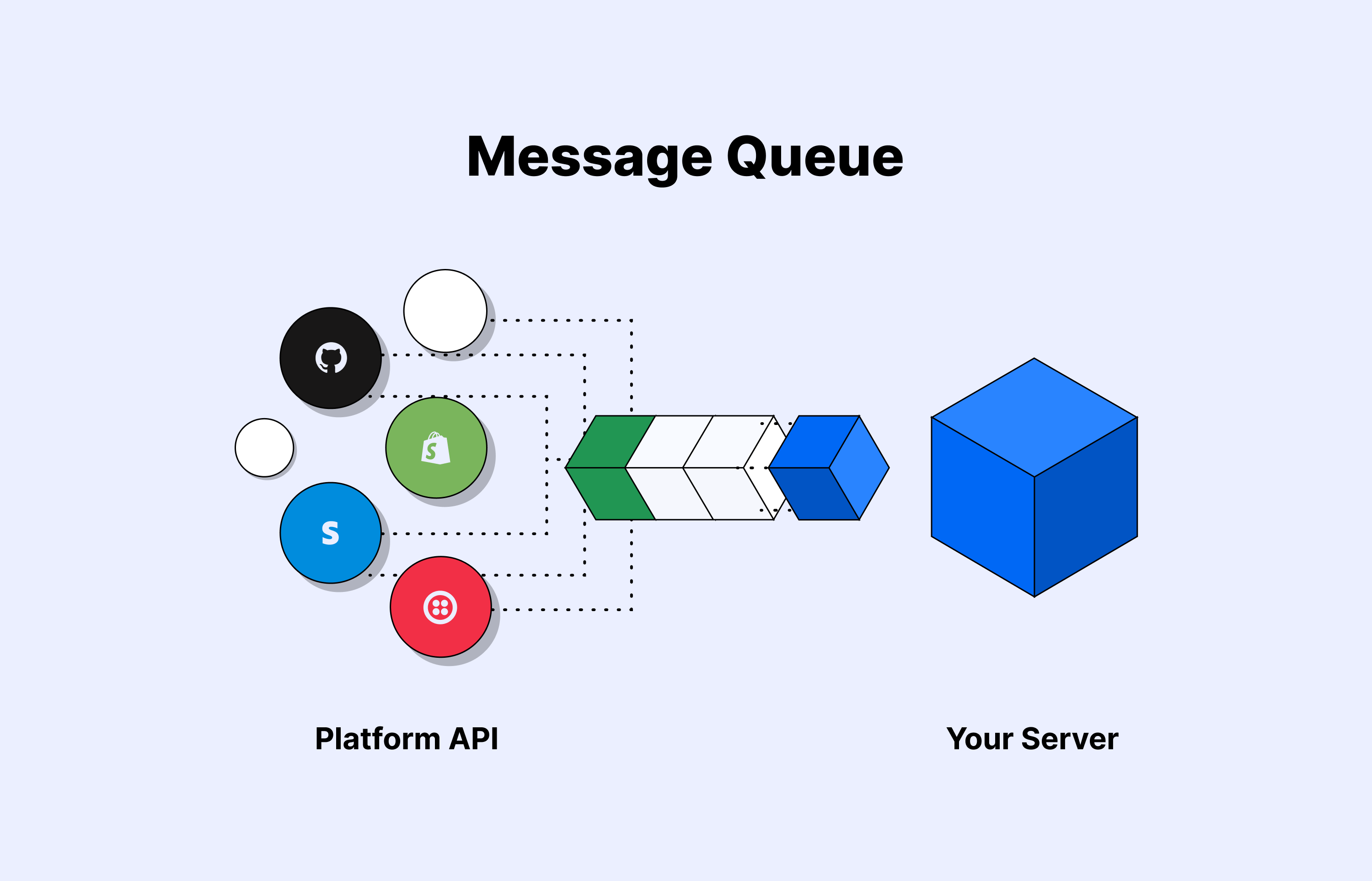
Several strategies exist for implementing backpressure in transaction queues. One common approach is bounded queuing, where the queue is capped at a maximum size. Once this limit is reached, incoming transactions are either rejected, delayed, or rerouted. Rejection policies are particularly useful in systems where transaction loss is acceptable, or where failing fast is preferable to overloading the system. On the other hand, delay or buffering strategies allow temporary storage of transactions until processing capacity becomes available, trading off latency for stability. Another widely used approach involves dynamic rate adjustment, where upstream components are instructed to modulate their submission rate based on real-time queue metrics.
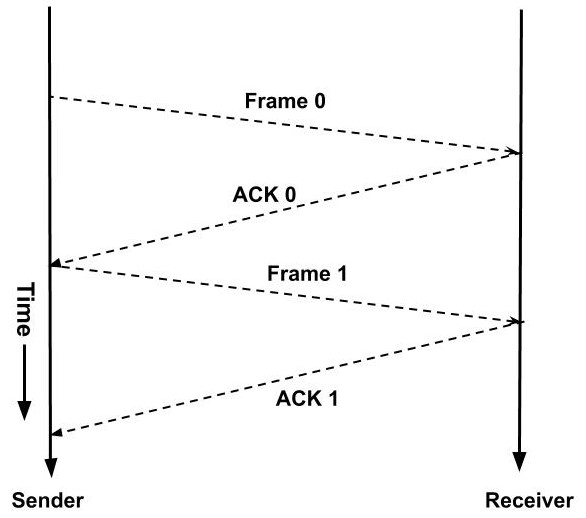
Flow control mechanisms often underpin backpressure handling, particularly in networked or distributed systems. In these cases, control signals traverse communication channels to indicate processing capacity or queue saturation. Techniques such as TCP flow control illustrate this principle, where the receiver informs the sender of available buffer space, thus preventing overfilling. Similar concepts are applied in transactional middleware, message brokers, and streaming platforms, where producers are dynamically adjusted based on consumer processing rates. These mechanisms ensure that queues operate within safe limits while maintaining throughput as efficiently as possible.
Backpressure handling also benefits from prioritization and scheduling strategies. In scenarios where some transactions are more critical than others, prioritization ensures that high-importance transactions receive processing preference, even under heavy load. Weighted scheduling and deadline-based execution models help maintain service-level objectives while managing queue congestion. Moreover, transaction batching can improve throughput under backpressure by grouping multiple transactions into single processing units, reducing overhead and improving resource utilization.
Another consideration is the resilience of the system to backpressure. Systems must be designed to gracefully degrade under load rather than fail catastrophically. Techniques such as circuit breakers, fallback processing, and temporary persistence in external storage provide safety nets that prevent total service disruption. For instance, if an in-memory queue reaches capacity, excess transactions might be redirected to disk-based storage for deferred processing, ensuring eventual consistency without overwhelming active processing components.
Backpressure handling is not solely a technical concern; it has implications for user experience and business operations. In financial systems, delayed transactions can affect account balances, trading decisions, and regulatory compliance. In e-commerce platforms, unhandled backpressure can manifest as checkout failures or delayed order confirmations. Therefore, monitoring, alerting, and automated mitigation strategies are essential components of an operational backpressure management plan. Transparency in system behavior under load also allows developers and operators to tune thresholds, adjust scaling policies, and plan for peak demand periods.
The evolution of modern systems, particularly those leveraging microservices, cloud-native architectures, and event-driven paradigms, has increased the importance of robust backpressure strategies. With decoupled services communicating via asynchronous queues, the risk of uneven load distribution and localized saturation is higher. Techniques such as reactive programming frameworks embrace backpressure as a first-class concern, integrating it directly into the flow of data streams. This approach ensures that all components participate in maintaining stability, automatically adjusting data rates without manual intervention.
Automation and orchestration also play a significant role. Intelligent queue management can dynamically allocate resources, spin up additional processing instances, or reroute traffic in response to observed load. Predictive analytics and machine learning models further enhance backpressure handling by anticipating load surges and preemptively adjusting processing strategies. These capabilities help maintain consistent performance while minimizing wasted resources and preventing systemic overloads.
Ultimately, backpressure handling in transaction queues is about maintaining balance between demand and capacity. It requires careful design of queuing structures, control mechanisms, prioritization strategies, and resilience measures. By monitoring system health, applying rate controls, and incorporating adaptive processing techniques, organizations can prevent overload, reduce latency, and provide reliable service even under heavy transactional loads. As systems continue to grow in complexity and scale, effective backpressure management becomes not only a technical necessity but a cornerstone of operational excellence and user trust.
Leave a Reply